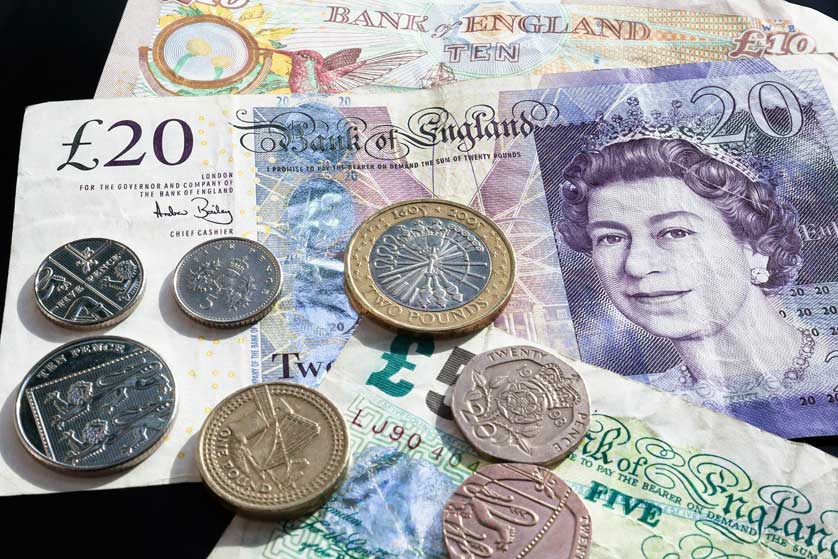

Top 10 Tips On The Current Exchange Rates For Currency.
Understanding current exchange rates in today's global economy is vital to financial planning. This applies to anyone who travels internationally, is involved in international business, or manages investments in foreign currency. Exchange rates determine how much one currency is worth in relation to the other and may significantly affect pricing strategies, costs as well as the worth of investments. Changes in exchange rates are likely to affect your budget for travel as well as the profitability of business transactions and also your investment portfolio. To better understand how to deal with this issue Here are ten of the top tips on controlling exchange rates.
1. Stay Informed with Real-Time Exchange Rates
To make informed decisions on the conversion of currency, you have to know the latest exchange rates. Make use of reliable financial news sites as well as currency converter apps as well as your bank's online service to see the most current rates. Websites like XE.com and OANDA offer the most current information that will aid travelers in budgeting their expenses and businesses set competitive prices. Avoid unpleasant surprise costs by knowing the latest rate of exchange for euros prior to your next trip to Europe.
2. Learn about the spread between bid and ask
The bid/ask spread represents the difference between the rates at which currency can be bought (ask price), and traded (bid price). This spread can vary significantly among different financial institutions and the services that provide currency exchange. A smaller spread is usually better since it guarantees you a better rate when exchanging currencies. For example If a bank provides the bid price of 1.10 and an asking price of 1.15 for USD to EUR, the spread is 0.05. It is easier to make better choices when you know about this spread.
3. Utilize Online Currency Conversion Tools
Currency conversion apps and online tools are extremely helpful in controlling fluctuations in exchange rates. Wise and Revolut for instance, not only provide the most current rates for currency, but also allow you to exchange currencies at low rates. These platforms provide tools, such as historical rates and data, which allow you to spot trends and take timely decisions. For instance, if you're checking the rate of conversion between USD and JPY you might want to set an alarm to notify you of a favorable exchange rate.
4. Examine the risk of currency fluctuations within Business and Investments
Risk of currency and exchange rate volatility can significantly impact international business profits as well as investment returns. Fluctuations can change the value of investments, contracts and sales. Hedging strategies are a method to mitigate this risk. They involve the use of financial instruments to secure exchange rates in future transactions. A business importing goods to Europe could use a future contract to lock-in the current exchange rate and safeguard its margins of profit.
5. Get Charges and Fees Information
Different banks and exchange companies have different fee structures for currency conversion. The fees may include commissions, service fees and transaction charges. They could decrease your earnings or raise travel costs. Make sure you ask about any additional fees before you make an exchange. Travelers should consider using credit cards that don't charge foreign transaction fees and international ATM cards that offer competitive exchange rates. Comparing the fees and exchange rates from different providers can help you find the best deal.
6. Timing Your Currency Exchange
The timing for the exchange of your currency could have a big impact on the value you receive. Currency values change based upon political and economic events as well as geopolitical news. You can find the most effective exchange rate by keeping track of these elements. If a currency in a particular country is predicted to increase in strength following the announcement of positive economic data, then you may want to hold off on converting. Being aware of market trends and keeping the awareness of current events around the world can lead to better financial decisions for investors and travelers alike.
7. Diversify Currency Holdings
Diversifying your currency holdings is a great option to guard against currency fluctuations for the business and investor. Different currencies can serve as a cushion against the negative consequences of a single currency. This method is ideal for companies operating on multiple international markets. They can use it to be more flexible in their pricing and payments. To capitalize on currency appreciation An investor in the U.S. might own euros and British pound. Diversification is a method to minimize the risk of currency volatility.
8. Make use of local currency when traveling
Always use local currency when you travel to another country. If you pay with your own currency, you may be charged additional fees and receive unfavorable rates of exchange. This could result in increased cost. In addition, local currency can yield better rates when withdrawing cash at ATMs as they generally provide better rates than currency exchange counters. Research the local currency prior to your trip. Familiarize yourself with exchange rates and know more about it before you go. This will allow you to control your spending better.
9. Research Economic Indicators
Economic indicators such as rates of inflation, interest levels, and the growth in gross domestic products (GDPs) can offer valuable insight into currency movements. Inflation could cause a country's currency to fall in value with other currencies. Knowing these issues will help businesses and investors make informed decisions regarding currency exchanges. Staying informed about the economic outlook and developments will assist you navigate the market for foreign currencies more effectively. This can be monitored using economic calendars, as well as other reports.
10. Consult financial professionals for large transactions
If you handle large sums of cash or have complex transactions, it might be helpful to seek the advice of financial experts or currency experts. They can provide you with tailored advice which is based on the particulars of your situation and will help you navigate the complex the foreign exchange market. This is particularly important to companies that are involved in international trade or investors seeking to optimize currency exposure and reduce risk. You can make more informed decisions and save money by consulting experts.
With these helpful tips, you will be able to get through the confusion of current exchange rates. Becoming aware of and being savvy with the conversion of currencies is essential for achieving greater financial outcomes and success in international business. Understanding the nuances behind exchange rates can help you to make decisions on your finances that better align with your goals for personal or goals for your business. Have a look at the recommended my response for USD to CAD for more tips including usd to mxn, us dollar to japanese yen, us dollar to japanese yen, convert euro to usd, usdthb, usd to mexican peso, pesos to dollars, usd to cop, aud to usd, usd to peso and more.
Top 10 Tips Regarding Rates And Exchange Rates For Destination Currencies
Understanding the destination currency of the country is crucial for anyone conducting international business or managing investments in foreign markets. The local currency is the currency you'll be using while visiting the country or engaging with the locals. This can have a significant impact on your financial decisions. Fluctuations in exchange rates, conversion fees, and the overall economic environment can affect the amount you spend while traveling or how profitable your business transactions and investments are. When you know the currency of the destination you are visiting and its consequences, you will be able to improve your financial strategies and make informed decisions. Below are the top ten specific guidelines for managing destination currency in your financial endeavors.
1. Before you travel, make sure to check the currency of your destination.
– Before heading to a different destination be sure to investigate the currency in the area. You should also familiarize yourself with different currency denominations and its relation to your local currency. This will help you better manage your money and avoid paying excessively. Websites, such as XE.com, provide historical and real-time information on exchange rates. This can be used to determine how much your currency will be worth abroad.
2. Be aware of the Exchange Rates Prior to Your Travel
Utilize tools for tracking currency and apps to provide alerts to favorable exchange rates. Utilize currency tracking tools as well as apps to set alerts for exchange rates that are favorable. Consider exchanging funds sooner if you see a trend downwards in the currency.
3. Currency Conversion Costs – What to Consider
Currency exchange services, banks and ATMs can charge a wide range of charges for currency conversion. Be aware of any costs that are associated with the conversion of your currency of origin to the currency of your destination. They can quickly add up. Review rates from a variety of providers and consider using online platforms that offer low exchange rates and lower fees for currency conversion.
4. Use local currency for transactions
Pay with local currency when making purchases abroad. Do not make purchases using your currency of home. If you pay in your home currency you are often dependent on dynamic currency conversions (DCC) that can lead to more fees and less favorable exchange rates. You can benefit from better exchange rates by paying in your local currency.
5. Plan for cash requirements in advance
Although most countries accept debit or credit cards, it's important to carry some cash for small expenses and tips, or in places where cards are not accepted. Research the cash withdrawal limits and charges for ATMs in foreign countries and think about taking a larger sum at once to minimize the transaction costs. Making sure you have local currency can make travel easier and less stressful.
6. Understanding Local Payment Options
Different countries prefer various payment options. Certain areas are dominated by cash, whereas others heavily rely on credit cards or electronic payments. To learn about the most popular payment methods, study your local payment culture. This will aid you in planning your payment strategies and ensure you have the right tools to process transactions with ease.
7. Be aware of currency risk for business
If you do business in a country that is not your own be aware of the risk of currency fluctuations that are associated with exchange rate fluctuations. An abrupt change in the exchange rate of the foreign currency can negatively impact margins of profit, as well as your overall performance as a company. To mitigate currency volatility, consider using hedging methods, such as future contracts, in order to secure exchange rates.
8. Keep Track of Your Spending
Monitor your spending while on vacation in the currency of your destination. Make use of budgeting applications or keep a record of your expenses to determine the amount you spend in local currency. This will help you avoid overspending, and you'll have enough money to last all the time of your vacation.
9. Learn More About Financial Regulations
There are countries that have different rules for the exchange of currency and cash transactions, as well as reporting requirements. You should familiarize yourselves with these regulations to avoid legal issues while traveling or carrying out business. Some countries may restrict the amount of cash that you are allowed to bring out, while other countries may require transactions that are large to be reported. It is important to be informed about these regulations to ensure you are navigating the rules without difficulty.
10. Consult currency specialists for Investments
If you are looking to keep an eye on the performance of your foreign investments, speak with currency experts or international financial advisors. They can provide insights into the impact of fluctuations in currency on your investment portfolio, and aid you in establishing strategies to handle currency risk efficiently. Their experience can be helpful in navigating the complexity of foreign currencies and improving financial results.
If you follow these tips on managing destination currency, you can navigate the complexities of traveling or conducting business and monitoring your investments more efficiently. Understanding destination currency implications can help you make better financial decisions that meet the goals of your business as well as your personal life. See the recommended CZK to EUR for website examples including usd jpy, convert euro to usd, currency exchange, baht to usd, usd to php, rmb to dollar, convert pounds to dollars, us dollar to pkr, dollars to pounds, eur to usd and more.